Front Load vs Top Load Washing Machine: Which One Singapore Homes Should Actually Be Using
Choosing a washing machine is not just about getting clothes clean. It is about saving time, managing utility bills, fitting laundry into your home, and finding a machine that suits your everyday routine. While the title focuses on Singapore homes, this guide uses a US household perspective, including American laundry spaces, utility costs, and buying considerations. The front load vs top load washing machine debate comes down to more than appearance: water use, cleaning performance, cycle times, and ease of use can all influence your decision. So, which option makes more sense for your home? Let’s break down the real differences before you spend money on an upgrade.
Quick Overview
Front-load washing machines are generally the stronger choice for households that prioritize water efficiency, energy savings, and gentle fabric care. Top-load models appeal to people who prefer loading clothes without bending down, want a familiar design, or need the flexibility offered by certain models. Both types can clean clothes effectively, but their performance and running costs depend on the machine itself. For US households, checking Energy Star certification, capacity, and available laundry space is just as important as choosing the loading style. The right washer is the one that matches your budget, laundry habits, and long-term needs.
Front Load vs Top Load Washing Machine: What Is the Difference?
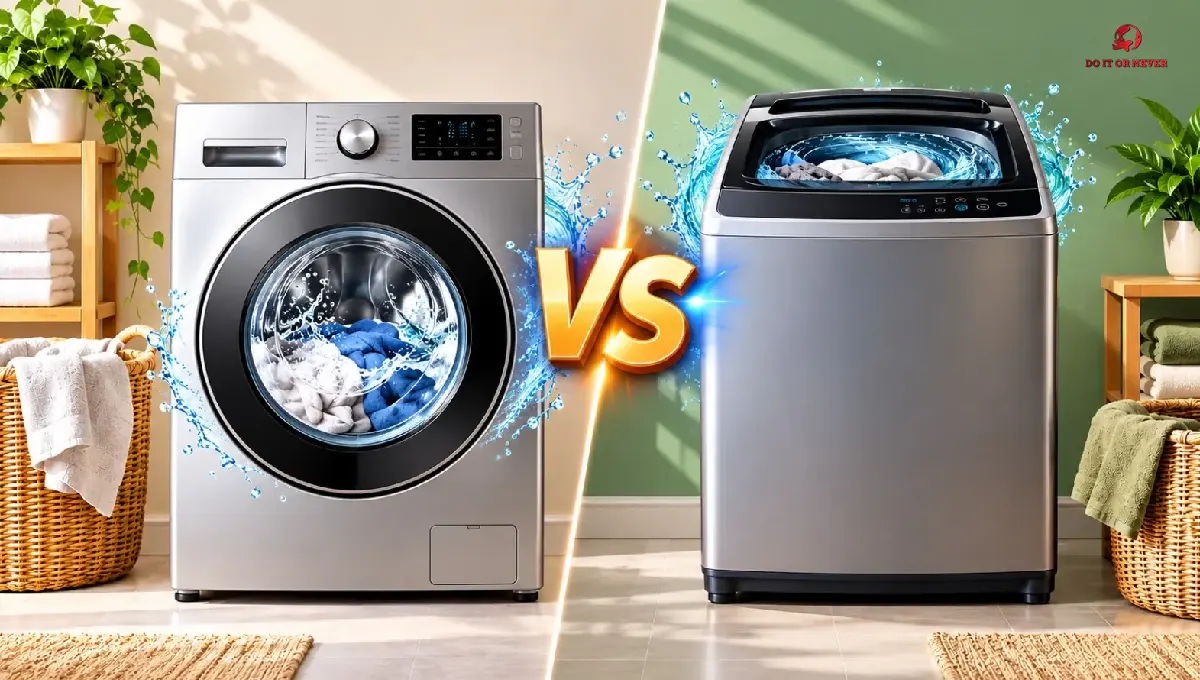
The biggest difference is how each machine moves clothes through water.
A front-load washer uses a horizontal drum that tumbles clothes through a relatively small amount of water. A top-load washer uses a vertical drum and typically relies on an agitator or a low-profile impeller to move laundry around.
According to ENERGY STAR, certified front-load washers use about 45% less energy and 50% less water than conventional top-load agitator washers. Efficient top-load impeller models can narrow that gap, so it is important to compare individual models rather than assume every top loader performs the same way.
Front Load vs Top Load: Which Features Matter Most?
1. Water and Energy Efficiency
If reducing household utility costs is a priority, a front loader deserves serious consideration. Its tumbling action allows it to clean clothes with less water, while efficient spin cycles can remove more moisture before clothes go into the dryer.
That does not mean every front loader will automatically cost less to operate. Your local water and electricity rates, wash temperature, load size, and usage frequency all affect running costs. Look for the Energy Guide label and Energy Star certification when shopping in the United States.
2. Cleaning Performance and Fabric Care
Front loaders are often a good fit for households that wash delicate fabrics, work clothes, and everyday clothing frequently. Their tumbling action can provide effective cleaning with less mechanical stress than traditional agitator designs.
Top loaders can also deliver excellent results. Traditional agitator models are useful for moving heavily soiled laundry, while impeller models offer a different approach with a lower-profile central mechanism. Choosing the right cycle and detergent matters just as much as choosing the machine type.
3. Convenience and Cycle Times
Top loaders are often easier for people who prefer not to bend down when loading laundry. Some models also let you add forgotten items more conveniently, depending on the cycle and locking mechanism.
Front loaders may have longer standard cycles, although quick-wash features can shorten some loads. They can also be stacked with a compatible dryer, which is useful in a compact laundry room. However, you need enough clearance for the door to open fully.
Front Loader or Top Loader Better for Your Home?
The answer depends on what you value most. If you are still asking front loader or top loader better, use your daily laundry routine as the deciding factor instead of choosing based on appearance alone.
|
Feature |
Front-load washer |
Top-load washer |
|
Water efficiency |
Usually excellent |
Varies by agitator or impeller design |
|
Energy efficiency |
Often more efficient |
Depends on the model |
|
Loading comfort |
Requires bending unless elevated |
Easier to load from above |
|
Typical wash cycles |
Often longer |
Often shorter |
|
Fabric care |
Generally gentle |
Depends on wash mechanism |
|
Laundry-room layout |
May be stackable; needs door clearance |
Needs space above for the lid |
|
Upfront cost |
Often higher |
Often lower for basic models |
|
Maintenance |
Gasket needs regular cleaning and drying |
No front-door gasket to maintain |
These are general patterns, not guarantees. Modern washers vary considerably in capacity, cycle options, efficiency, and price.
Which Washing Machine Makes More Sense for Different US Households?
Choose a Front Loader If You Want Long-Term Efficiency
A front loader can be a smart choice for households that run frequent loads, want to reduce water use, or need a washer that can be paired with a stacked dryer.
It may also suit families with a lot of everyday clothing and bedding to wash. Before buying, measure the installation area, check the door swing, and confirm that the washer can be installed with your existing hookups.

Choose a Top Loader If Convenience Comes First
A top loader may suit you better if bending down is uncomfortable, your laundry area has limited front clearance, or you prefer a familiar loading style.
Basic top-load models can also be attractive for buyers working with a tighter upfront budget. If you choose one, consider an efficient impeller design and check its water and energy information instead of judging the machine by price alone.
What About Large Families and Heavy Laundry?
Large households should prioritize drum capacity, cycle flexibility, durability, and the ability to handle bulky items. A larger drum may reduce the number of loads you need to run, but only if you can fill it appropriately without overloading the washer.
For households that regularly wash towels, bedding, sportswear, or heavily soiled clothing, compare specific cleaning cycles and manufacturer capacity recommendations. Neither loading style is automatically the winner for every family.
Is an LG Washing Machine Worth Considering?
If you are researching an lg washing machine review, focus on the individual model rather than the brand name alone. Compare capacity, energy efficiency, available cycles, warranty coverage, repair access, and owner feedback before making a decision.
It offers both front-load and top-load washers in the US market, with features that vary across its product range. Some models include app-connected functions, specialized wash cycles, and options designed for larger loads. These extras can be useful, but they should not outweigh practical considerations such as installation dimensions and running costs.
LG is worth comparing if you want multiple loading styles and feature levels to choose from. Still, check the model's Energy Guide, warranty terms, and service availability in your area before committing.
Is Your Current Washing Machine Worth Upgrading?
Not every older washer needs replacing. If your current machine cleans effectively, does not leak, and has manageable repair needs, keeping it may be the more economical choice.
However, a washing machine worth upgrading becomes a more relevant consideration when you notice recurring breakdowns, persistent drainage problems, excessive vibration, or cycles that no longer meet your household's needs.
Before replacing it, estimate the total cost of ownership:
- Purchase price: Include delivery, installation, and removal of your old machine.
- Operating costs: Check water and electricity consumption using the model's energy information.
- Repair costs: Compare the likely repair expense with the price of replacement.
- Practical features: Consider whether a new capacity, shorter cycle, or stackable design would solve an everyday problem.
If you decide to replace your washer, compare Energy Star-certified options where available. A more efficient machine can reduce resource use over time, although actual savings depend on your household and utility rates.
How to Choose the Best Washing Machine Before You Buy
The best washing machine is not necessarily the most expensive or the one with the most smart features. It is the one that cleans reliably, fits your space, and offers the right balance of convenience and operating cost.
Use this quick checklist before purchasing:
- Measure the width, depth, and height of your laundry area.
- Check the door or lid clearance, plus access to water and drainage hookups.
- Choose a capacity suited to your typical load size and household.
- Compare energy and water information rather than relying on marketing claims.
- Review the warranty, maintenance requirements, and local repair options.
A little research can help you avoid paying extra for features you rarely use—or choosing a cheaper model that does not suit your routine.
Conclusion
The front load vs top load washing machine decision ultimately comes down to your priorities. Front loaders generally make more sense for water efficiency, fabric care, and stackable laundry setups, while top loaders appeal to buyers who value easy loading, familiar operation, and potentially lower upfront costs with LG.
For US households, compare individual models, check energy information, and consider how often you do laundry before deciding. The right washer should make everyday chores easier without stretching your budget.
Frequently Asked Questions
1. Is a front-load or top-load washing machine better?
Front loaders are generally better for water and energy efficiency, while top loaders may be more convenient for people who prefer loading clothes from above. Your budget, space, and laundry habits determine which is best for you.
2. Which washing machine uses less water?
Front-load washers typically use less water than traditional top-load agitator models. Efficient top-load impeller washers can also conserve water, so compare the specifications of individual machines before buying.
3. Are front-load washing machines harder to maintain?
They can require more attention to the door gasket and moisture around the drum. Leaving the door ajar when safe, wiping the gasket, and following the manufacturer's cleaning instructions can help prevent odors and buildup.
4. Is a more expensive washing machine worth the money?
Not always. A higher price may reflect additional capacity, specialized cycles, or smart features, but the best value depends on cleaning performance, efficiency, warranty coverage, and how well the machine fits your needs.
5. When should I replace my washing machine?
Consider replacement if your washer has frequent costly breakdowns, leaks, persistent performance problems, or no longer meets your household's needs. Compare repair costs and expected operating expenses before making the decision.