
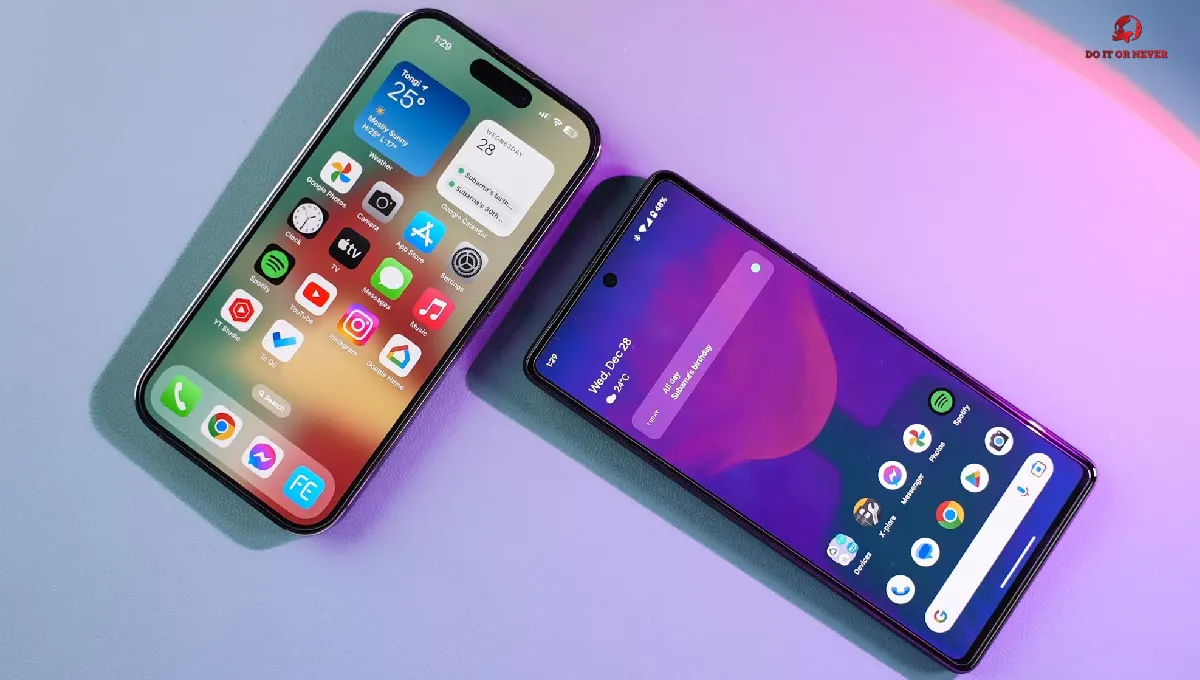
Samsung Ecosystem vs Apple: Which One Actually Locks You In Less?
Buying a smartphone today is no longer just about choosing a device. It is about choosing an entire digital lifestyle.
Your phone connects with your laptop, watch, earbuds, tablet, and smart home devices, creating an ecosystem that can either make life easier or feel limiting. This is where the Samsung ecosystem vs Apple debate becomes interesting.
Both brands offer powerful connected experiences, but they take very different approaches. One focuses on simplicity and deep integration, while the other emphasizes flexibility and choice. So, which ecosystem gives you more freedom without making you feel locked in? Let’s compare both.
Quick Overview: Samsung Ecosystem vs Apple:
|
Category |
Samsung Ecosystem |
Apple Ecosystem |
|
Device Integration |
Strong with Galaxy devices and Windows |
Extremely seamless across Apple devices |
|
File Sharing |
Quick Share offers flexible transfers |
AirDrop provides effortless sharing |
|
Customization |
More options and flexibility |
Simple and consistent experience |
|
Best For |
Users who want choice and control |
Users who prefer smooth connectivity |
What Does a Smartphone Ecosystem Actually Mean?
A smartphone ecosystem is the way different devices work together through connected software and services. Instead of using each device separately, an ecosystem allows your phone, computer, tablet, watch, and accessories to communicate with each other.
A strong ecosystem saves time because everyday tasks become smoother. However, the downside is that some ecosystems encourage users to stay within the same brand because switching devices may mean losing certain features.
This is why many buyers compare the Samsung ecosystem vs Apple experience before investing in multiple devices.
How Do Samsung and Apple Differ in Device Integration?
Apple has built one of the most recognized ecosystems by focusing on simplicity. Features like device syncing, cloud storage, and seamless connections between products create an experience where everything feels connected.
For example, users can move between an iPhone, iPad, and Mac with minimal setup.
On the other hand, the Samsung ecosystem focuses more on flexibility. Users can connect Galaxy smartphones with tablets, watches, earbuds, and laptops while also working with non-brand devices.
Samsung’s approach gives users more freedom, especially for people who combine Android devices with Windows computers. This makes the ecosystem appealing for users who want connected features without being restricted to one brand.
Samsung Quick Share vs AirDrop: Which Sharing Feature Wins?
File sharing is one of the biggest everyday differences between these ecosystems.
|
Feature |
Samsung Quick Share |
Apple AirDrop |
|
Main Advantage |
Flexible sharing between compatible devices |
Extremely simple Apple-to-Apple sharing |
|
Ease of Use |
Easy within supported devices |
Very intuitive |
|
Compatibility |
Works across Galaxy and some other platforms |
Designed mainly for Apple devices |
The Samsung Quick Share vs AirDrop comparison shows two different philosophies.
AirDrop is popular because it feels effortless. Sending photos, videos, or documents between Apple devices usually requires only a few taps.
Quick Share provides a similar experience for compatible devices while offering more flexibility. It works especially well for people using multiple Samsung or Android products.
Is Samsung Better Than Apple for Customization and Freedom?
The answer depends on what you value most.
Samsung generally gives users more control over how their devices look and work. Android features allow deeper customization, more hardware choices, and greater flexibility when connecting different devices.
Apple focuses on consistency. Instead of offering endless customization, it creates a controlled experience where features work similarly across devices.
So, is Samsung better than Apple?
For users who enjoy personalization, experimenting with settings, and choosing from different device options, Samsung may feel more suitable. For people who want a simple experience that requires less adjustment, Apple often feels more convenient.
Which Ecosystem Should You Choose?
Your ideal ecosystem depends on your daily habits.
Choose Apple if you want:
- A simple experience with minimal setup
- Smooth connections between devices
- Consistent software experiences
- Easy file sharing through AirDrop
Choose Samsung if you want:
- More customization options
- Greater hardware flexibility
- Better compatibility with different devices
- More control over your digital setup
The best ecosystem is not about choosing the most popular brand. It is about choosing the one that fits how you work, communicate, and use technology every day.
Conclusion
The Samsung ecosystem vs Apple comparison does not have one universal winner.
Apple creates one of the smoothest connected experiences, especially for users who prefer simplicity. Samsung offers more flexibility, customization, and freedom for people who want more control over their devices.
The right choice depends on your habits, existing devices, and how much integration you actually need. Before investing in a complete ecosystem, think about your daily workflow and future upgrades. Compare the features that matter most to you, then choose the ecosystem that makes your technology experience easier, faster, and more enjoyable.
FAQs
- Is Samsung more eco-friendly than Apple?
Both Samsung and Apple have made efforts to reduce their environmental impact through recycled materials, energy-efficient manufacturing, and device recycling programs. Apple has focused heavily on reducing carbon emissions and increasing recycled content in its products, while Samsung has also introduced sustainability initiatives across its devices and packaging. The more eco-friendly choice depends on factors like product lifespan, repairability, recycling habits, and how long you use your device.
- Does Samsung have an ecosystem like Apple?
Yes, Samsung has an ecosystem similar to Apple. It connects smartphones, tablets, watches, earbuds, laptops, and smart home devices through features like device syncing, file sharing, and cross-device controls. While Apple is known for creating a highly seamless experience within its product range, Samsung offers more flexibility by supporting a wider mix of devices and platforms.
- Which phone brand has the best ecosystem?
The best ecosystem depends on your needs. Apple is often considered the strongest choice for users who want effortless integration between devices, simple sharing, and consistent performance. Samsung is a strong option for users who prefer customization, more hardware choices, and flexibility with different devices. The better ecosystem is the one that matches your daily workflow and the devices you already use.
- Is the Samsung ecosystem worth it?
Yes, the Samsung ecosystem is worth considering, especially if you use multiple Galaxy devices. Features like Quick Share, device syncing, smart home controls, and connected accessories create a smoother experience compared to using separate brands. It offers strong value for users who want flexibility, customization, and more control over how their devices work together.